

NIL COLLECTIVES ON TRIAL — WHO REALLY PAYS?
The article discusses the rise of NIL (Name, Image, Likeness) rights in college sports, highlighting the initial enthusiasm for athletes profiting freely, which has since led to instability due to poorly regulated collectives. These collectives, often working closely with universities, face legal issues from unfulfilled promises and questionable deals, exemplified by the Jaden Rashada case. Regulators now enforce stricter rules to prevent pay-for-play schemes, and schools are establishing official NIL channels to mitigate liability. Athletes are advised to verify funds and clear contractual terms before entering agreements. Despite challenges, NIL collectives are expected to persist and evolve, emphasizing the need for accountability and careful oversight in the future.
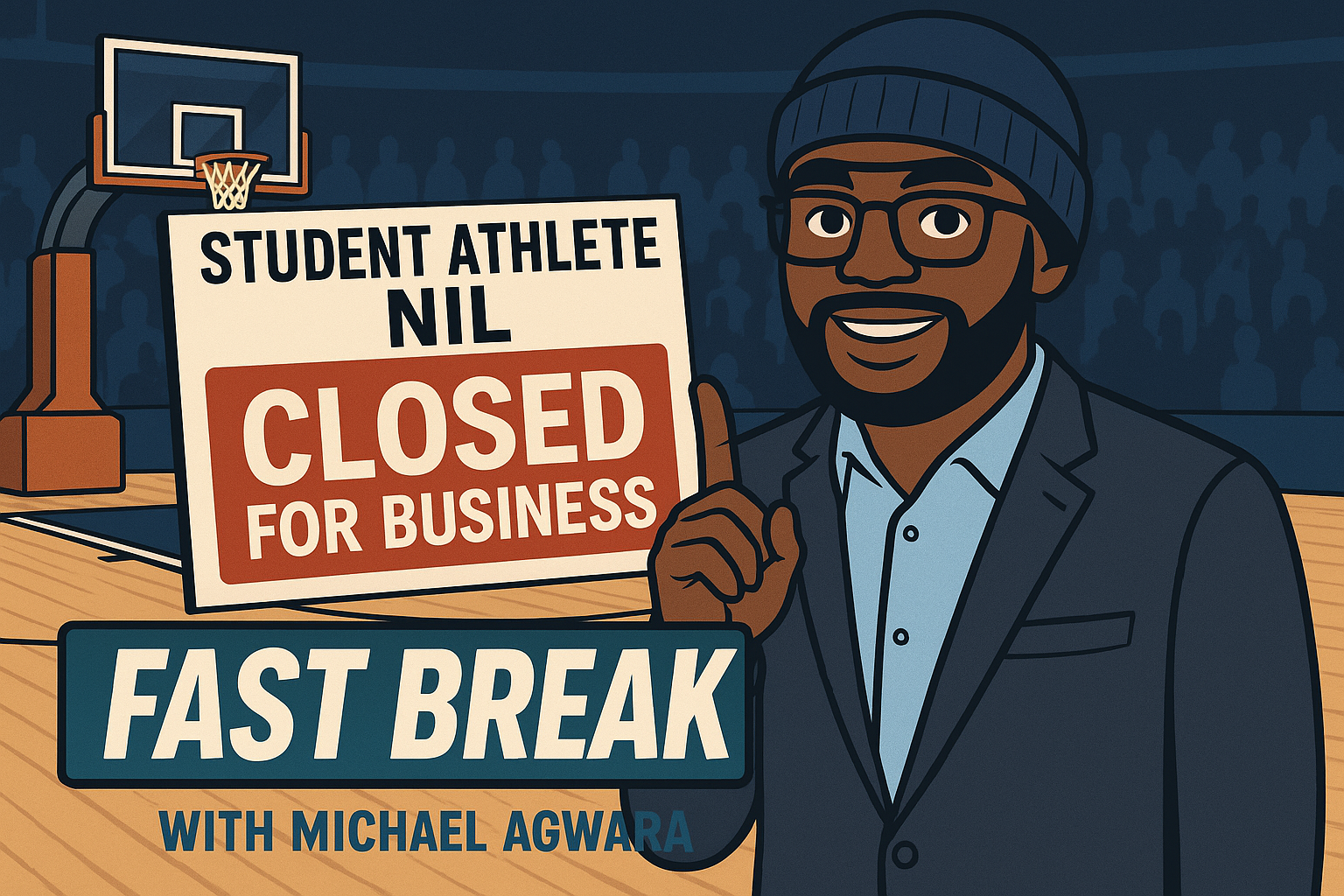
The Demise of Student Athlete NIL: A Case Study in the Fragility of Third-Party Collectives
On October 2, 2025, Sports Business Journal reported that Student Athlete NIL (SANIL), one of the nation’s largest operators of third-party “collectives,” will cease operations (Sports Business Journal, 2025). This announcement is emblematic of the turbulence reshaping the NIL marketplace in the wake of the House v. NCAA settlement and the formalization of revenue-sharing mechanisms between institutions and athletes.

NIL Collectives Are Bypassing the Clearinghouse — What It Means for Athletes
The NIL era was intended to allow college athletes to monetize their name, image, and likeness, but within a few years, the system has faced issues. Collectives, frustrated with delays, are bypassing the NCAA’s NIL Go clearinghouse, which could significantly impact athletes' futures.

NIL Revenue Sharing — The $20 Million Shift
Summary: This blog examines the evolving landscape of college athlete compensation following the introduction of Name, Image, and Likeness (NIL) rights and the House v. NCAA settlement, which now allows schools to share millions in revenue with athletes. While payments are largely concentrated in high-profile sports, the shift creates significant financial, transparency, and legal challenges for athletic departments, especially regarding revenue generation, equity, and compliance with Title IX.
Watch Michael’s Fast Break here: https://youtube.com/shorts/sI5NImvd8Ik?feature=share