
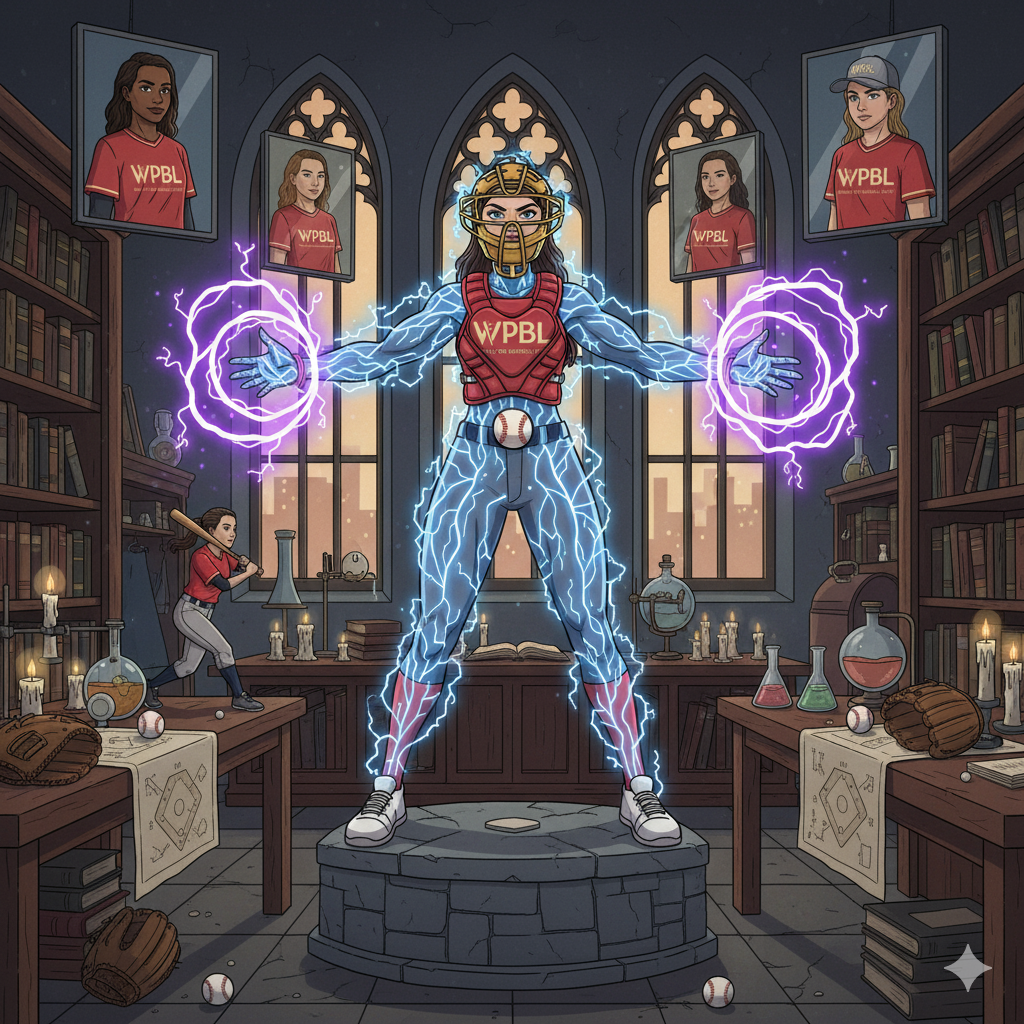
The Modern Prometheus: Stitching Together the WPBL
In this article, former college English professor, athlete agent, and sports attorney, Lee Walpole Lassiter, draws parallels between the art of assembling a winning baseball team and the story of Frankenstein by Mary Shelley. Lee’s blog highlights the importance of key roles like the catcher, who acts as the team's eyes and central nervous system, and emphasizes the hidden value of versatile players such as Andreanne Leblanc.
As the inaugural WPBL draft moves into its critical late rounds, the piece warns that simply collecting talent isn't enough—team culture and identity are essential to avoid creating a dysfunctional group. The closing metaphor urges general managers to nurture their creation, suggesting that with the right approach, they could make history and build something extraordinary.
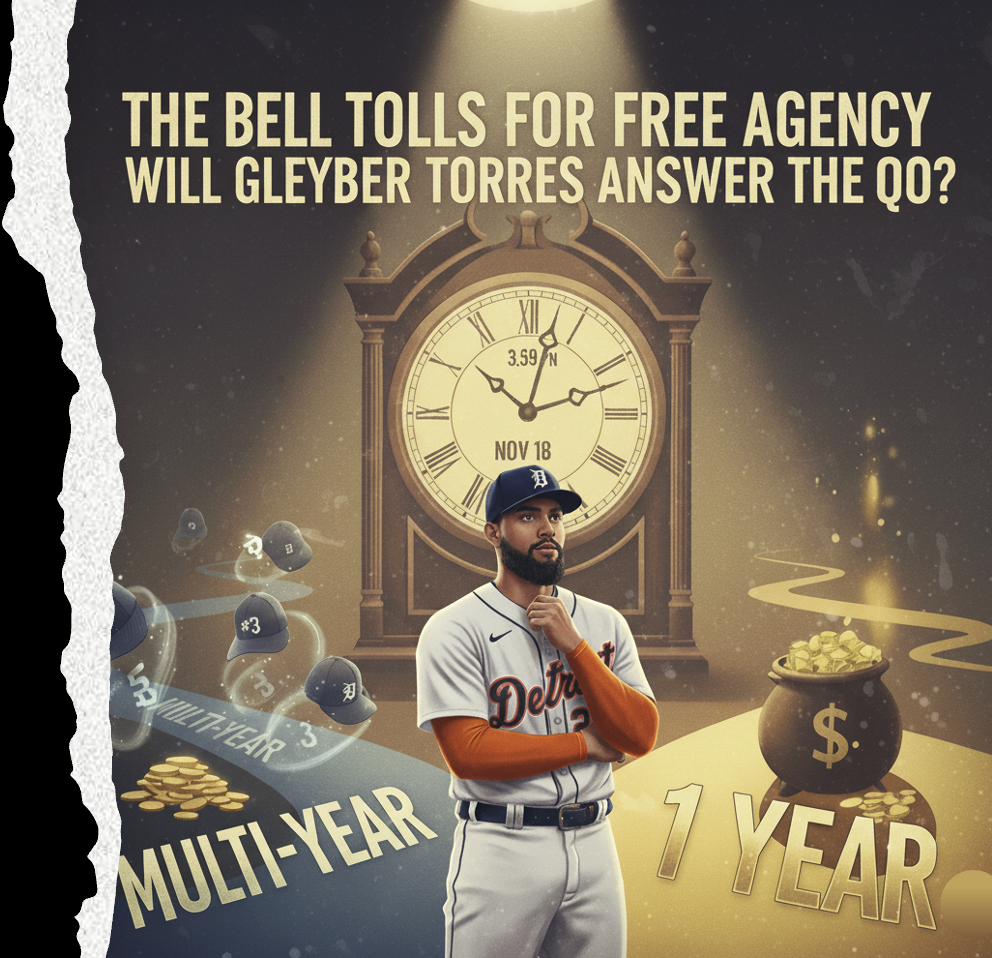
The Bell Tolls for Free Agency: Will Gleyber Torres Answer the QO?
Summary: The Bell Tolls for Free Agency: Will Gleyber Torres Answer the QO?
In this blog, Lee explores the high-stakes decision facing Gleyber Torres regarding the MLB Qualifying Offer. With a $22.025 million, one-year contract on the table from the Detroit Tigers, Torres must weigh immediate financial security against the potential for a more lucrative multi-year deal—complicated by recent injury and second-half of the season performance challenges.
The piece also delves into the strategic implications of draft pick compensation for both the Tigers and any potential suitors, highlighting how these factors make Torres's choice a nuanced and consequential one for player, team, and the broader free-agent market.

THE SERPENT'S STRATEGY: BREAKING DOWN THE INAUGURAL WPBL DRAFT ORDER
The WPBL’s inaugural draft marks a defining moment in the launch of professional women’s baseball. With six rounds and 20 picks per round, the 120-player structure forms the first-ever rosters for franchises in San Francisco, Los Angeles, New York, and Boston. The league uses a snake draft format—reversing order within each turn—to enforce competitive balance and force strategic, paired decision-making from front offices.
Though being drafted grants negotiation rights rather than guaranteed contracts, it secures each athlete a chance to compete during rigorous spring training and evaluation periods. This historic draft celebrates years of player development and sets the stage for a fully realized professional ecosystem in women’s baseball. Fans can watch history unfold during Thursday night’s official live stream.

The Fab Four: Introducing the Four Founding Teams Taking the Field First in the WPBL
Meet the four founding franchises of the Women’s Professional Baseball League—New York, Boston, Los Angeles, and San Francisco. Explore each city’s identity, baseball legacy, and what to expect ahead of the WPBL’s historic inaugural draft and 2026 season.

Age Is Just the Count: How Micaela Minner and Homa Schweers Are Proving Experience Belongs in the WPBL (and Why that Makes Me Cheer)
In her latest piece, Lee celebrates the return of professional women’s baseball — and two athletes who refuse to let age define their game. As the Women’s Pro Baseball League (WPBL) prepares for its 2026 debut, forty-year-old standouts Micaela Minner and Homa Schweers are rewriting the rules on what it means to be “in your prime.”
From Minner’s powerhouse days at the University of Missouri and her career mentoring hundreds of young athletes, to Schweers’ decades of grassroots leadership and endurance, both women embody what the WPBL stands for: opportunity that doesn’t expire.
Lee draws a parallel to her own “second inning” as a sports attorney and agent, cheering for a league that values persistence as much as potential. Her message is clear — in the WPBL and in life, experience is the real MVP.

Setting a Precedent: The WPBL’s New Era and Its Trailblazers Mo’ne Davis and Kelsie Whitmore
This article examines the groundbreaking launch of the Women’s Pro Baseball League (WPBL), set to debut in 2026. The league marks the first professional women's baseball organization since 1954, moving beyond novelty to establish a sustainable, professional, and women-led athletic enterprise.
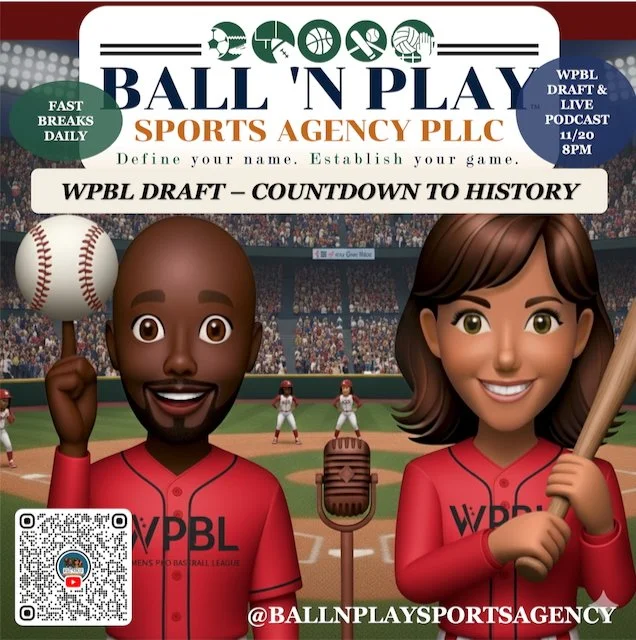
Breaking New Ground: The Women’s Pro Baseball League Arrives
After more than seventy years without a professional women’s baseball league, the Women’s Pro Baseball League (WPBL) is set to debut in 2026, signaling a major cultural and sporting milestone. Founded by Dr. Justine Siegal and Keith Stein, the WPBL will launch with six Northeastern teams, a seven-week season, and an innovative format designed for speed, sustainability, and visibility. The league’s first open tryouts in Washington, D.C. drew over 600 athletes from 10 countries, underscoring the global hunger for opportunity in women’s baseball. With production and media support from Fremantle, and an advisory board that includes icons like Ayami Sato, Cito Gaston, and Maybelle Blair, the WPBL blends authenticity with star power—highlighted by Mo’ne Davis, the Little League legend now chasing a pro dream. While challenges remain—financial sustainability, fan awareness, and the absence of a collegiate pipeline—the league’s independence, leadership, and timing place it at the forefront of a new era for women in sports.
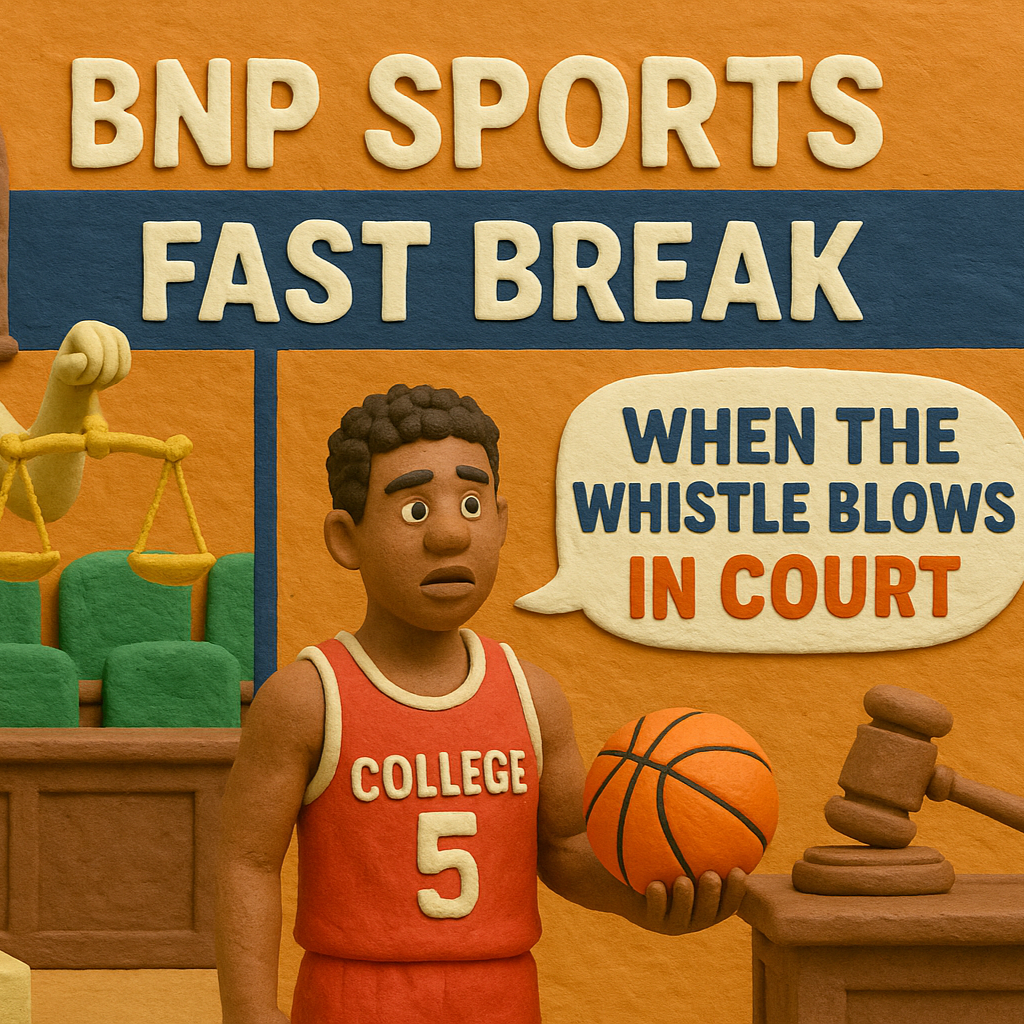
🏛 THE NEW PLAYING FIELD | How college athletes took the NCAA to court and fundamentally rewrote the rules of college sports.
College and high-school athletes are increasingly turning to the courts to challenge NCAA rules and secure their rights to play and profit from their talent, thanks to new NIL regulations. Recent victories, like those in Ohio and the Pavia case, show courts are crucial in changing the landscape of amateur sports, even though outcomes remain unpredictable. Today, the law is actively shaping the future of athletics at every level.
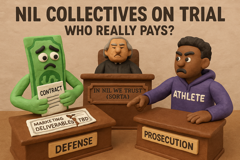
NIL COLLECTIVES ON TRIAL — WHO REALLY PAYS?
The article discusses the rise of NIL (Name, Image, Likeness) rights in college sports, highlighting the initial enthusiasm for athletes profiting freely, which has since led to instability due to poorly regulated collectives. These collectives, often working closely with universities, face legal issues from unfulfilled promises and questionable deals, exemplified by the Jaden Rashada case. Regulators now enforce stricter rules to prevent pay-for-play schemes, and schools are establishing official NIL channels to mitigate liability. Athletes are advised to verify funds and clear contractual terms before entering agreements. Despite challenges, NIL collectives are expected to persist and evolve, emphasizing the need for accountability and careful oversight in the future.

The NIL Tip Line — When Compliance Goes Confidential
The College Sports Commission (CSC) has launched the first confidential whistleblower hotline for Name, Image, and Likeness (NIL) deals, allowing athletes, staff, boosters, and fans to report suspected violations anonymously. As NIL deals and financial stakes grow, this tip line aims to strengthen oversight and accountability, protect athletes, and signal stricter regulation for boosters and collectives. The CSC reviews reports confidentially and can take actions such as investigating, freezing funds, or working with schools. This development marks a shift toward treating college sports as a regulated economic sector, with an emphasis on transparency, compliance, and due diligence for all parties involved.

The SAFE Act: When Congress Steps Into NIL
The NIL era has been loud, fast, and full of growing pains.
Now, Congress wants a say.
The proposed SAFE Act — short for Sports and Athletic Fairness and Equity Act — is the first serious attempt at a federal NIL law that could standardize how athletes, schools, and media partners handle money, contracts, and endorsements.

THE BOOSTER’S DILEMMA — WHEN LOYALTY MEETS LEGALITY
With the rise of Name, Image, and Likeness (NIL) regulations, the role of boosters in college sports has become both more transparent and more legally complex—boosters can now openly support athletes through collectives and endorsements, but any payment tied to recruiting or commitments remains a violation. The new landscape requires boosters to avoid promises to recruits, ensure all support is well-documented and channeled through legitimate means, and focus on genuine marketing value rather than incentives for enrollment. Regulatory scrutiny is higher than ever, and those unwilling to adapt to the new rules face significant legal risk, while those who act transparently can continue to support their teams within the bounds of the law.

Adidas and the $13 Million Power Play in Miami-Dade: A New Era for High School Sports Branding
Adidas has signed a landmark five-year, $13 million contract with Miami-Dade County Public Schools, making it the exclusive supplier of athletic apparel and equipment for 41 high schools. This deal, which includes naming rights to Traz Powell Stadium, embeds Adidas deeply within the region’s sports programs and positions the brand to build early loyalty among top athletic talent. While not a direct NIL (Name, Image, and Likeness) agreement, the partnership sets the stage for future endorsements as Florida now allows high school athletes to benefit from NIL deals. The move signals a new era where corporate partnerships extend beyond uniforms to shape athlete branding and influence the evolving high school sports landscape.
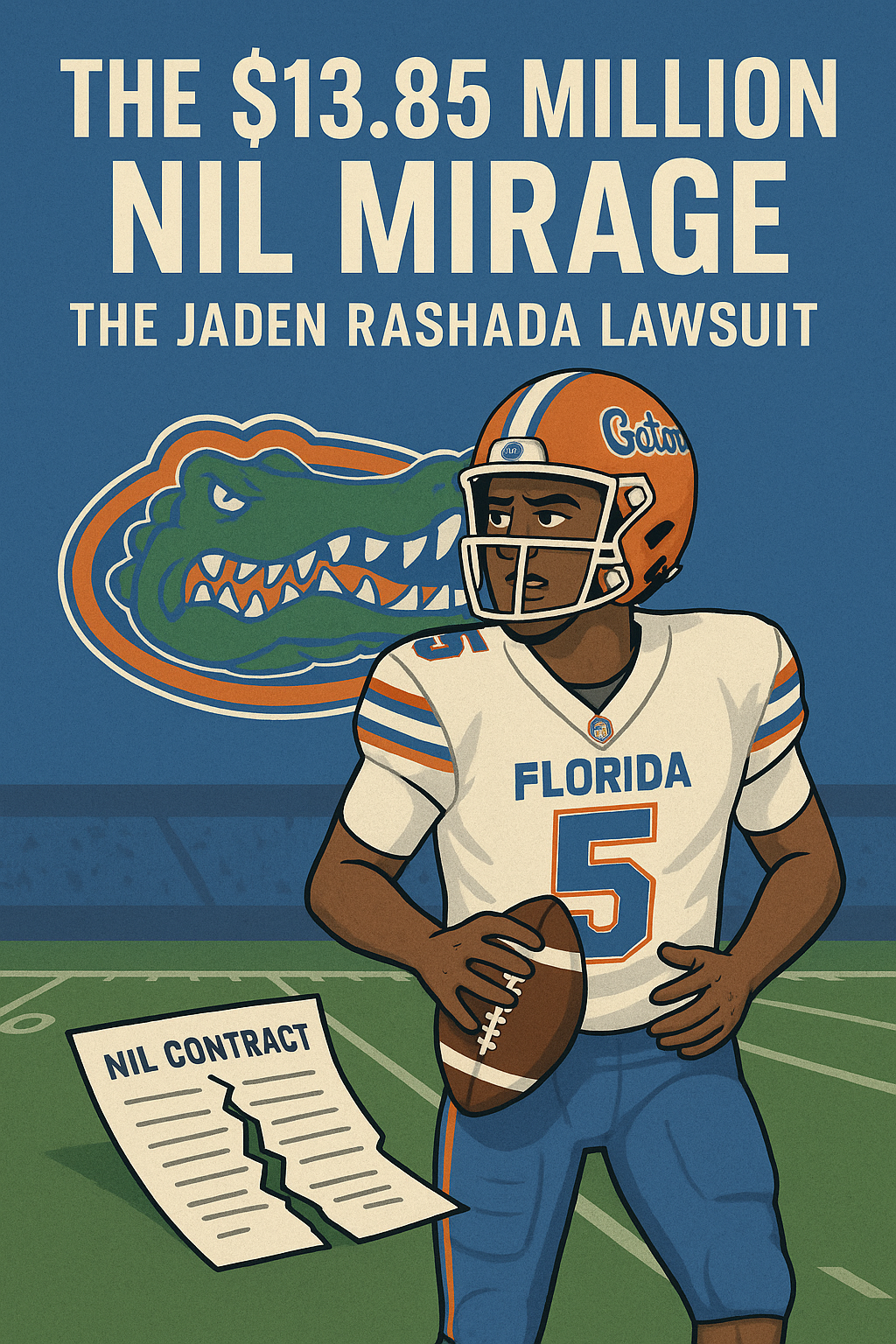
The $13.85 Million NIL Mirage — What the Jaden Rashada Lawsuit Really Means
Five-star quarterback Jaden Rashada’s $13.85 million NIL deal with the Florida Gators collapsed before any payments were made, exposing the risky and uncertain nature of college athlete contracts. Rashada is now suing Florida’s head coach, a top booster, and the Gator Collective for allegedly making promises they couldn’t keep, with the case moving forward in federal court. The lawsuit highlights major legal questions about NIL deals and could force schools and collectives to adopt stricter safeguards, such as proof of funds and legal oversight. The message for athletes and agents is clear: verify deals before signing, as the age of easy promises in college sports is ending.

The 5-in-5 Rule and NIL: Why College Basketball Is Taking a Timeout
Lee Walpole Lassiter explains how NIL budgets, the transfer portal, and the NCAA’s proposed 5-in-5 Rule are freezing basketball recruiting and changing the way coaches build rosters.
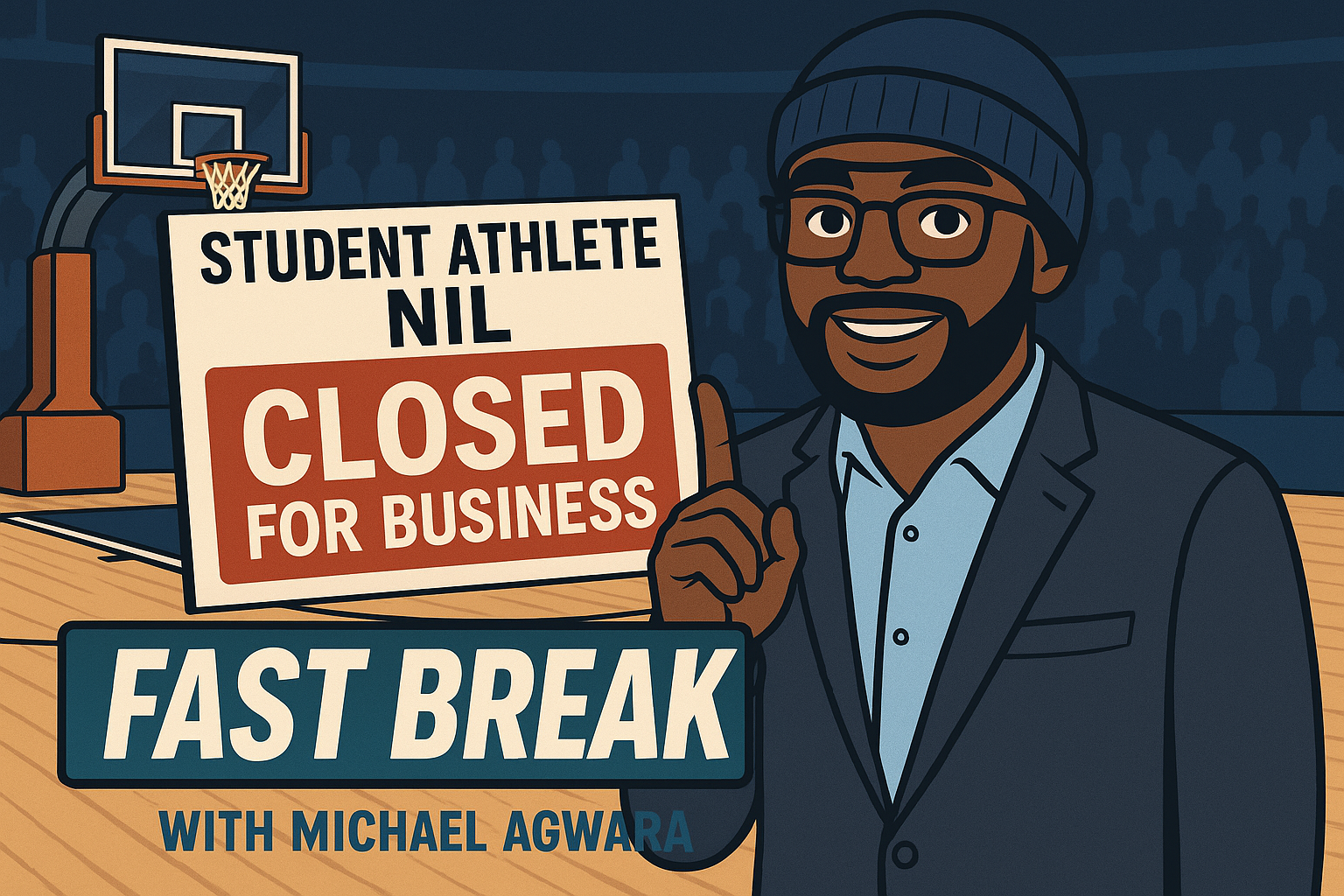
The Demise of Student Athlete NIL: A Case Study in the Fragility of Third-Party Collectives
On October 2, 2025, Sports Business Journal reported that Student Athlete NIL (SANIL), one of the nation’s largest operators of third-party “collectives,” will cease operations (Sports Business Journal, 2025). This announcement is emblematic of the turbulence reshaping the NIL marketplace in the wake of the House v. NCAA settlement and the formalization of revenue-sharing mechanisms between institutions and athletes.

NIL Collectives Are Bypassing the Clearinghouse — What It Means for Athletes
The NIL era was intended to allow college athletes to monetize their name, image, and likeness, but within a few years, the system has faced issues. Collectives, frustrated with delays, are bypassing the NCAA’s NIL Go clearinghouse, which could significantly impact athletes' futures.

NIL Revenue Sharing — The $20 Million Shift
Summary: This blog examines the evolving landscape of college athlete compensation following the introduction of Name, Image, and Likeness (NIL) rights and the House v. NCAA settlement, which now allows schools to share millions in revenue with athletes. While payments are largely concentrated in high-profile sports, the shift creates significant financial, transparency, and legal challenges for athletic departments, especially regarding revenue generation, equity, and compliance with Title IX.
Watch Michael’s Fast Break here: https://youtube.com/shorts/sI5NImvd8Ik?feature=share

In the Arena of Faith and Sport: FCA in Broward & Miami-Dade
Faith and sports collide in this Fast Break with Lee as she dives into how the Fellowship of Christian Athletes (FCA) is shaping the next generation of players and coaches across South Florida. Discover how FCA huddles, lacrosse programs, and campus outreach are transforming local athletics with purpose and passion.
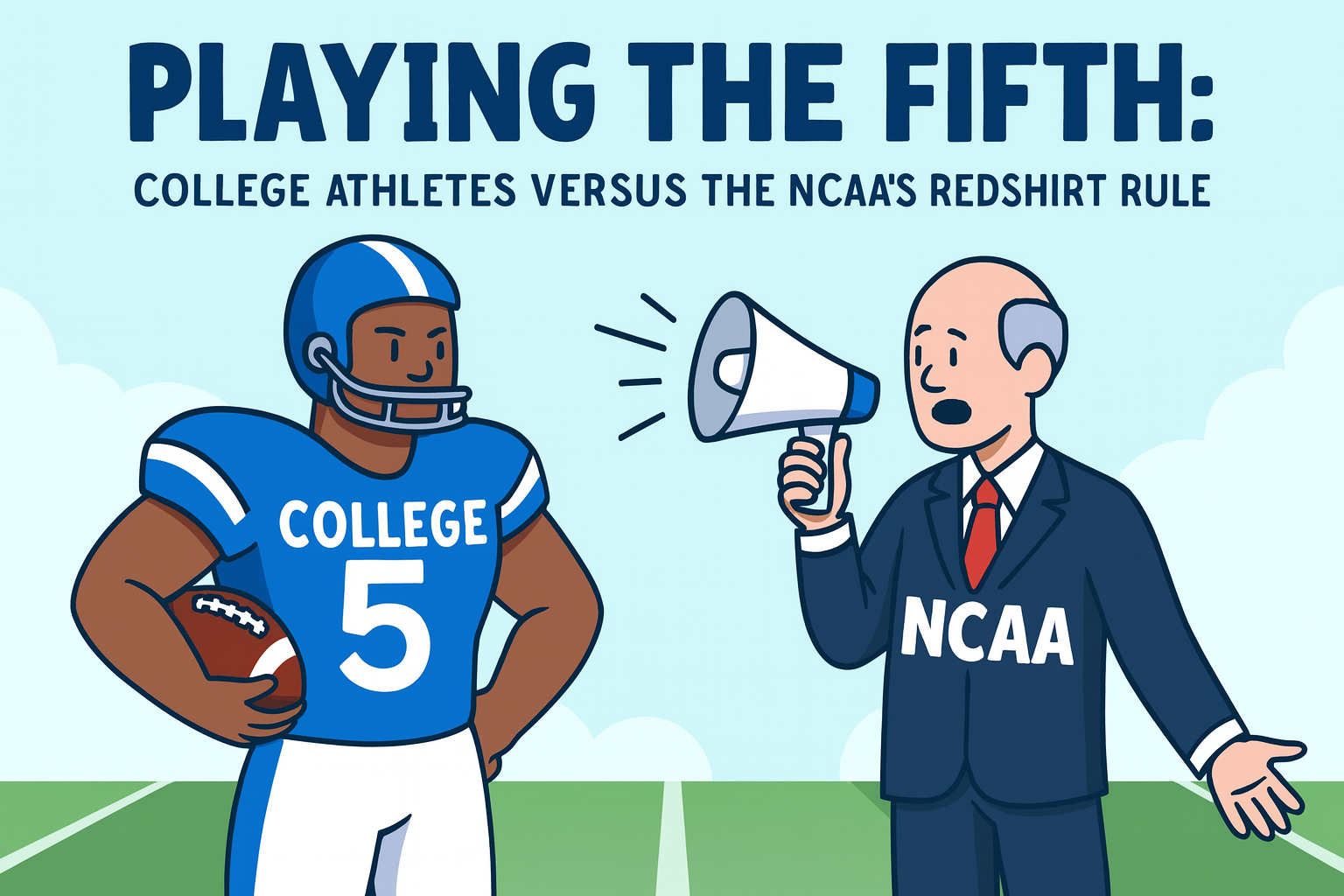
Playing the Fifth: College Athletes versus the NCAA’s Redshirt Rule
Summary
A group of college athletes has filed a class-action lawsuit against the NCAA’s redshirt rule, arguing that the limitation of four years of competition within a five-year eligibility window violates antitrust law and restricts their ability to earn income from Name, Image, and Likeness (NIL) deals. The athletes advocate for “five years to practice, five years to graduate, five years to play,” emphasizing the lost opportunities caused by the current rule. Previous lawsuits and involvement from the Department of Justice highlight growing legal pressure on the NCAA’s control over athlete eligibility and compensation. This legal battle reflects a broader movement to reform longstanding amateurism rules in college sports and ensure athletes have fair access to both competition and earning potential.